The P-Funk Horns
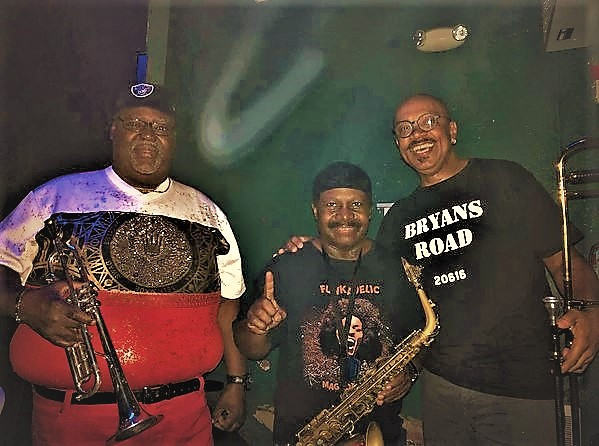 The P-Funk Horns are an essential part of George Clinton's Parliament-Funkadelic collective. The section traces their origins to a group of musicians that grabbed the attention of national artist who wold come to the area. In the late 1970s, Bennie Cowan, Greg Boyer, and Greg Thomas' horn section came together and became central to the P-Funk sound. Their background in jazz, soul, and funk, and composition gave them the technical precision and stylistic flexibility needed to enhance Clinton's evolving musical vision. This connection highlights Baltimore as an important, though often overlooked, center of musical innovation during this period.
The involvement of these musicians reflects a broader 'Baltimore connection' within the P-Funk organization. Many performers from the city contributed to recordings and tours, creating a pipeline of talent that helped sustain and expand the group's sound. The horn section, in particular, added a new level of energy and complexity through tightly arranged lines, syncopated rhythms, and a strong sense of groove. Their contributions helped define the sonic identity of Parliament-Funkadelic, influencing not only funk music but also later genres such as hip-hop and R&B.
By the mid-1990s, the P-Funk Horns' return to Baltimore served as both a reunion and a moment of reflection on their musical journey. Having moved from local performances to international recognition, these musicians embodied the far-reaching impact of Baltimore's music community. The P-Funk horns role extended beyond that of supporting players; they were key architects of a distinctive and influential sound. The Baltimore Funk Foundation underscores the importance of acknowledging regional contributions to major developments in American popular music.
See the TRUTH IN RHYTHM" interview of Bennie Cowan
The Connection
The Musicians
Maryland, DC, and its suburbs, were part of a tight East Coast circuit where P-Funk and related acts regularly performed. Maryland-based musicians often opened for, backed up, or interacted with these touring acts, A pipleline was created between the local Baltimore players and the national funk innovators, P-Funk.In March of 1978, the funk and the Baltimore sound combined to create the PFunk Horns.
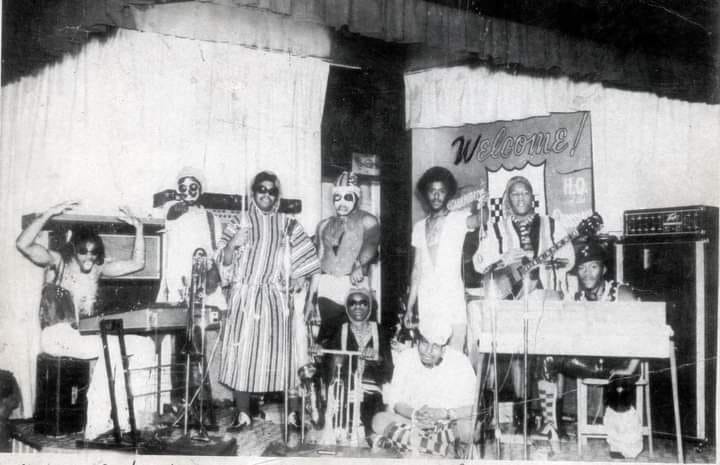
Gary "Mudbone" Cooper, Robert 'P-Nut' Johnson
The Groove
These musicians built on the funk and brought the feel of a city. The Baltimore vibe that if the room can't feel it, the music ain't workin'. This concept helped create musicians with a strong sense of groove, improvisation, and ensemble playing. All of these elements are central to funk. In the P-Funk ethos, the extended jams, musical interplay, and stage energy mattered as much as the studio recordings.
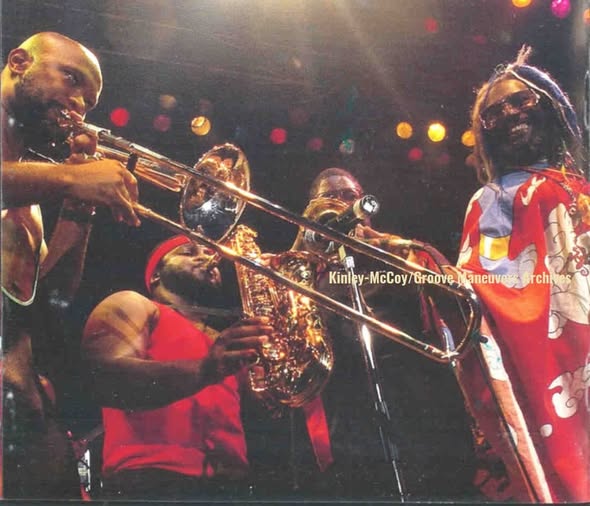
Greg Boyer, Greg Thomas, Bennie Cowan